
Hello!
It is the 21st of June, and I will admit I am up very late writing this one. (11PM as I finish it!)
To be honest, I nearly didn’t write a dev log at all this week. It felt like one of those weeks where I hadn’t really achieved much. I missed Friday’s stream because I was completely exhausted, I didn’t do any programming on Wednesday, and most of my free time lately has been spent cleaning the house and trying to keep on top of everything else going on in life.
Looking back though, I actually got quite a bit done!
We have some art updates, a fairly significant GDD restructure, the start of the inventory system, and a couple of discoveries that are probably going to make my life a lot easier later on. So let’s start with Wednesday.
Art Updates
Wednesday wasn’t really a programming session at all. Most of the time was spent working on art assets and trying to get a better feel for the visual direction of the game.
The biggest update was revisiting the tree. If you’ve seen previous versions of it, you’ll probably understand why. The old version wasn’t necessarily bad, but it always felt a little too flat to me. It looked more side-on than isometric, and once I noticed it, I couldn’t stop seeing it.
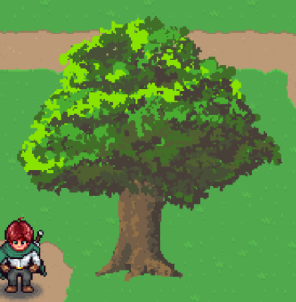
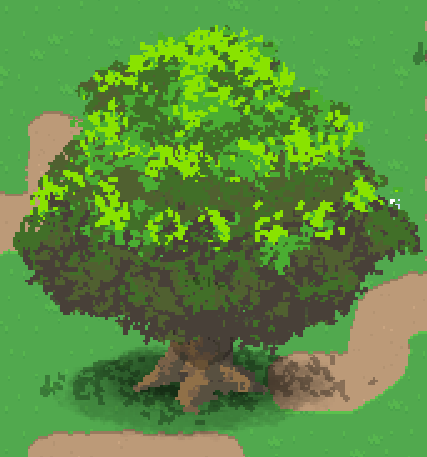
I ended up rounding out the canopy a lot more and adding additional shadows and highlights throughout the asset. I also added some softer lighting near the base of the tree. It’s still not perfect, but it feels significantly closer to what I have in my head. More importantly, it actually feels like it belongs in the same world as the rest of the assets I’m trying to create.
One thing I’m trying to be conscious of at the moment is not getting trapped in art.
It’s very easy to spend hours tweaking colours, adjusting shadows and moving pixels around because it feels productive. The problem is that at the end of those hours, I still don’t really have a game. At this stage of development, I’d much rather have an ugly game that works than a beautiful game that doesn’t exist.
That doesn’t mean the art isn’t important, but programming still needs to remain the priority.
I also created a shrub this week.
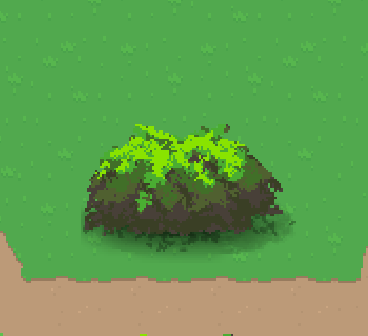
I know that sounds significantly less exciting than “tree redesign”, but I’m actually pretty happy with how it came out. It’s a very fluffy shrub. I spent far longer on it than I probably should have, but it was useful as an experiment to see how quickly I could create smaller environmental assets while maintaining a consistent style.
Once these assets start appearing throughout levels, they’ll hopefully help make the world feel a little more alive and less like a collection of empty rooms connected by game mechanics.
Rebuilding the GDD
The other major thing I’ve been working on lately is restructuring the Game Design Document.
I know. I know.
I remember saying the previous version was the final version.
The reality is that it’s been about a year since I wrote most of the current GDD, and I’ve learned a lot since then. Not just about game design, but about actually building games. The more I work in Godot and the more systems I create, the more I realise that the existing document has become difficult to navigate. The information is there, but finding it quickly is becoming harder and harder.
The new structure is split into three major sections.
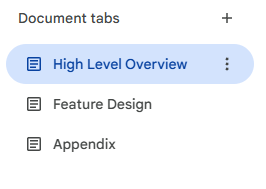
The first section is the High Level Overview. This is essentially the onboarding document. If somebody joined the project tomorrow, this is where I would want them to start. It explains what Unchosen is, what it’s trying to achieve, and the core concepts behind the game without immediately drowning the reader in lore, NPC names and item descriptions.
The second section is Feature Design. This is where the actual game systems live. Combat, progression, relics, UI, saving, narrative systems and everything else that makes the game function will be documented here.
Finally, there’s the Appendix. This is where things get big.
Item lists, dialogue, worldbuilding notes, NPC references, progression tables, stat information and all the other details that are useful to have but would make the main document impossible to read. The appendix is basically where all of the giant walls of information go.
While restructuring everything, I also took the opportunity to sit down and properly write out the design principles for Unchosen.
They aren’t features. They’re more like rules.
Whenever I add a new system or mechanic, I want to be able to look at these principles and ask whether the feature actually belongs in the game.
Some of the major principles are things like choices defining identity, power being earned, every system telling a story, the camp being home, combat rewarding mastery and consequences mattering. One of the most important for me personally is “hope must survive.”
Unchosen isn’t really a story about despair. It’s about surviving despite despair. It’s about continuing forward despite impossible circumstances. I want warmth, friendship, humour and kindness to exist in the world no matter how dark things become.
Writing all of these down was actually incredibly useful. A lot of them have existed in my head for a long time, but putting them into words made me realise exactly what kind of game I’m trying to build.
More importantly, it gives me something to refer back to whenever I inevitably get distracted by some feature that sounds cool but doesn’t actually serve the project.
And trust me, that happens a lot.
Pokémon Mystery Dungeon Discovery
One of the coolest discoveries this week actually happened on stream. We managed to find the Pokémon Mystery Dungeon tilesets!
https://www.spriters-resource.com/ds_dsi/pokemonmysterydungeonexplorersoftimedarkness/
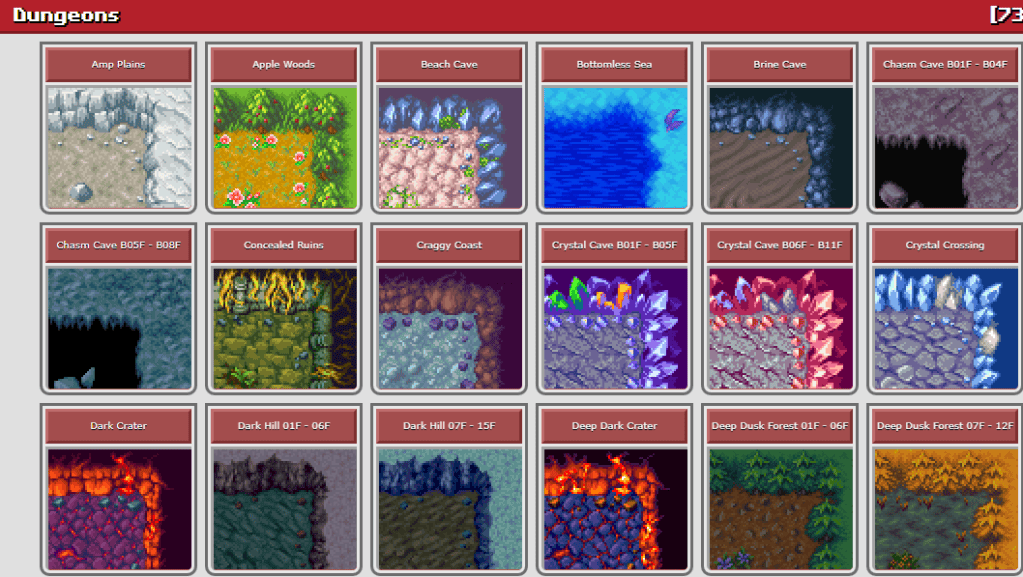
I genuinely couldn’t believe it when we stumbled across them.
If my eventual goal is to create procedural dungeon generation inspired by Mystery Dungeon, being able to look at how those original tilesets were structured is incredibly useful. Not because I want to copy them, but because I can see how walls connect, how corners are handled and how the environments are actually constructed.
It’s one of those resources that could potentially save dozens of hours of trial and error later on, so I’m very excited to dig into them further.
Inventory System
That brings us to Sunday’s development session.
This was very much a solo mission. I hadn’t streamed on Friday, I’d done very little on Saturday, and I was sitting there feeling guilty about how little progress I’d made throughout the week. So I sat down Sunday evening and decided I was getting some programming done whether I felt like it or not.
We’re now moving into the inventory section of the tutorial series, which is something I’ve been both dreading and looking forward to for a while.
Inventory systems always make a game feel a little more real to me. Up until now we’ve built a lot of foundational systems. Scene transitions, save systems, pause menus, spawning systems. They’re all important, but inventory is one of those things players actually interact with regularly.
This first tutorial focused on building the inventory interface itself.
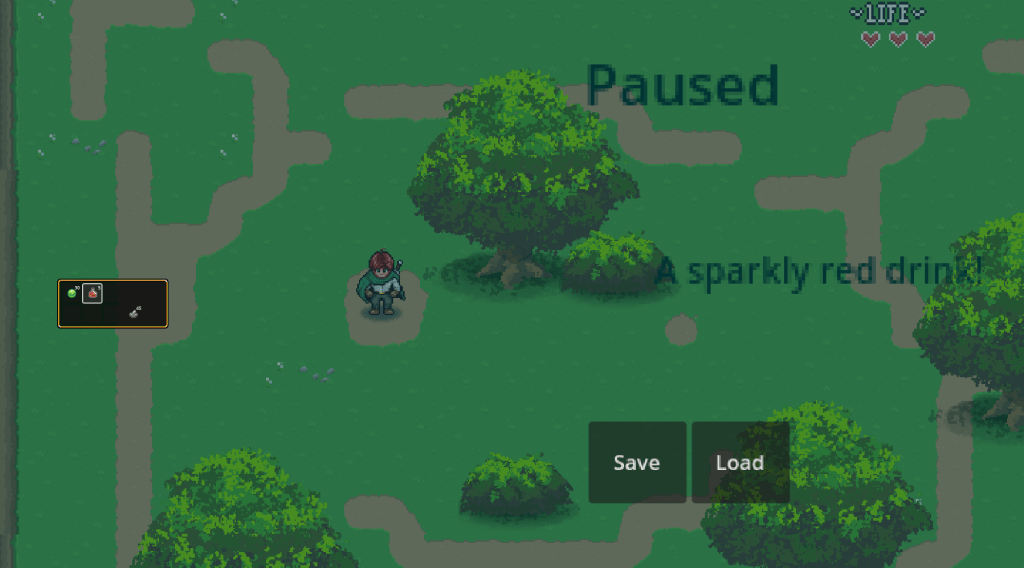
The player can now open an inventory screen from the pause menu, move between inventory slots and view information about whichever item they’re currently hovering over. It’s still very simple, but it feels like the start of something much larger.
One of the concepts introduced in this tutorial was Atlas Textures.
My understanding of Atlas Textures is that instead of having fifty individual item icons sitting in your project, you can store them all inside one larger texture and reference specific sections whenever you need them. If that explanation isn’t technically correct, please allow me to continue believing it is because I currently feel quite clever for understanding it.
We also looked at scalable UI elements.
This was actually pretty cool. Rather than stretching an image and making it look awful, the inventory window is able to scale while keeping the corners and edges intact. The middle section expands while the borders remain clean, which means the interface can grow without turning into a blurry mess.
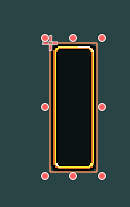

I understand what’s happening. I don’t understand how to explain what’s happening.
Naturally, things broke.
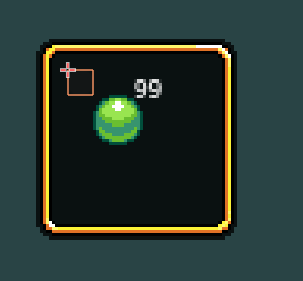
For a while my inventory looked so dumb. The inventory slot itself was tiny, the item icon was enormous! I spent a decent amount of time assuming I’d broken something major before eventually discovering the problem was the custom minimum size setting on the button. That was it.
The button size was setting a minimum size smaller than the intended size, so while the graphics on top were correct, the actual parent node itself was not. Setting the minimum size to 32px (the same as the graphic image on top) solved the problem.
One setting change later and suddenly everything worked.
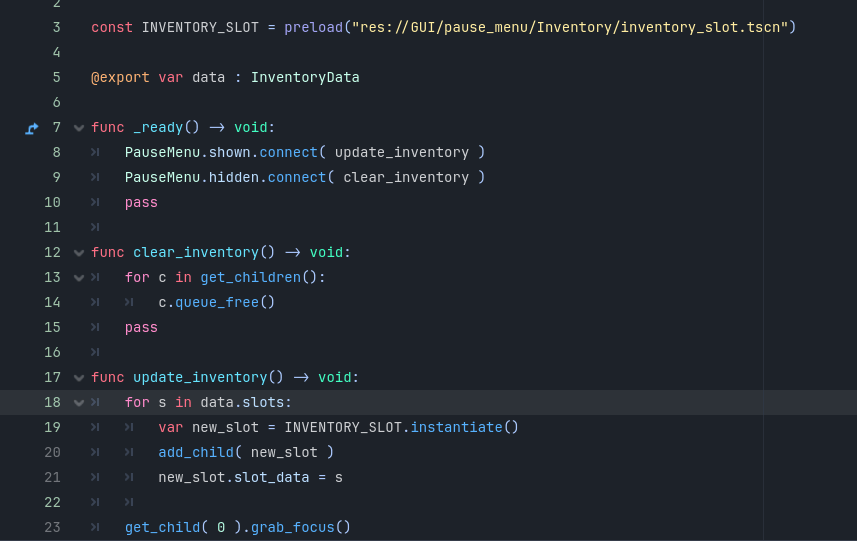
I feel like every week there’s at least one “bug” that sounds incredibly complicated until you discover the solution was essentially “this box wasn’t big enough.”
The other major thing introduced in this section was Resources.
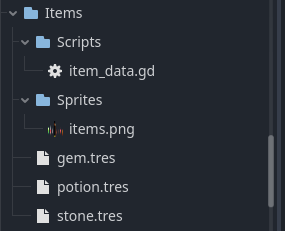
Instead of storing item information directly inside scripts, item data is stored separately as resources that can then be referenced by the inventory system. This is completely new to me, but I can already see why people use it. It feels like it will make expanding the inventory system much easier later when we’re dealing with dozens of items rather than placeholder test objects.
Overall, the tutorial only took around one, maybe two hours, which is actually pretty quick compared to some of the other videos we’ve worked through recently. (Mostly because it was off stream and I wasn’t distracted lol.)
It’s only one video out of three, but it feels like another meaningful step forward. The pause menu now has another functioning system attached to it, and the game is slowly starting to feel less like a collection of mechanics and more like an actual game.
Personal Updates
Outside of game development, life has been very busy.
The house is still being prepared for inspections, which means I feel like I’m constantly cleaning something. Every time I finish one job, another one appears. I’m sure anybody who’s sold a house before, or had any inspection ever, knows exactly what I’m talking about.
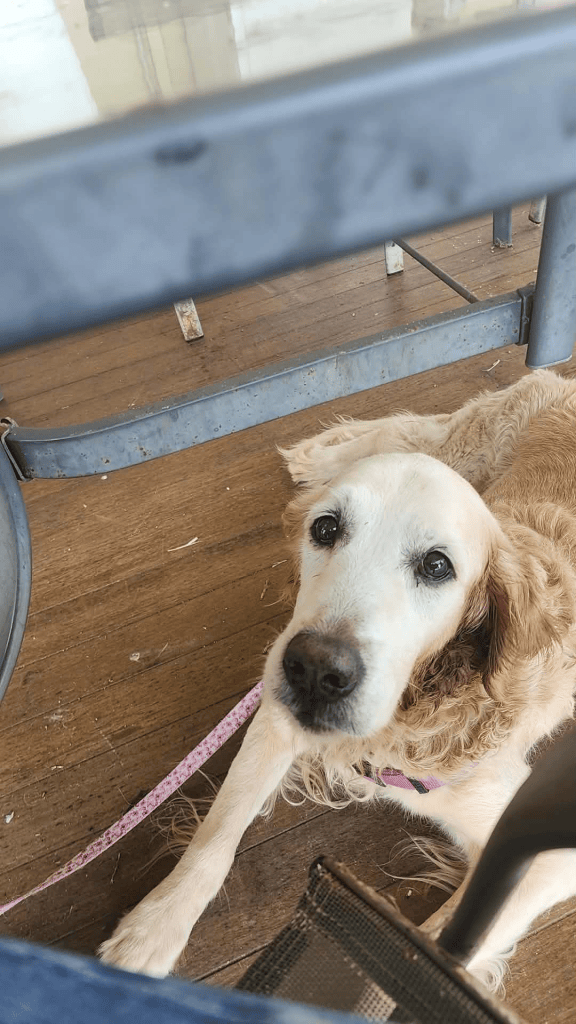
My dog’s ear infection is finally getting better, which has been a huge relief. It’s been a bit of an ongoing battle lately, so it’s nice to finally feel like we’re making progress there.
Work has also changed quite a bit. I’ve been moved onto a new engagement which is good news in the sense that I actually have work to do, but less good news in the sense that I’ll now be on call one week out of every three.
This creates a slightly awkward situation for streaming. If my phone rings during a stream, I don’t really know what happens. Do I end stream? Do I pause stream? Do I disappear for half an hour and hope everybody is still there when I get back?
I suppose we’ll figure that out when it happens.
They’re also wanting me back in the office more often. So far it’s only one day a week, but they’ve mentioned three days a week a few times and I’ve been strategically pretending not to hear that part of the conversation.
The gym is continuing to go really well.
My weight has started moving down again, my measurements are moving in the right direction and strength is holding pretty steady. The downside is that my calories are now low enough that I’m starting to experience what bodybuilders lovingly refer to as “prep brain.” I keep forgetting things.
I’ll walk into a room and immediately forget why I’m there. I’ll stare at a bank of light switches and forget which one controls which light. I’ve lived in this house for over a year. I should know these things!
I also rode Lenny today.
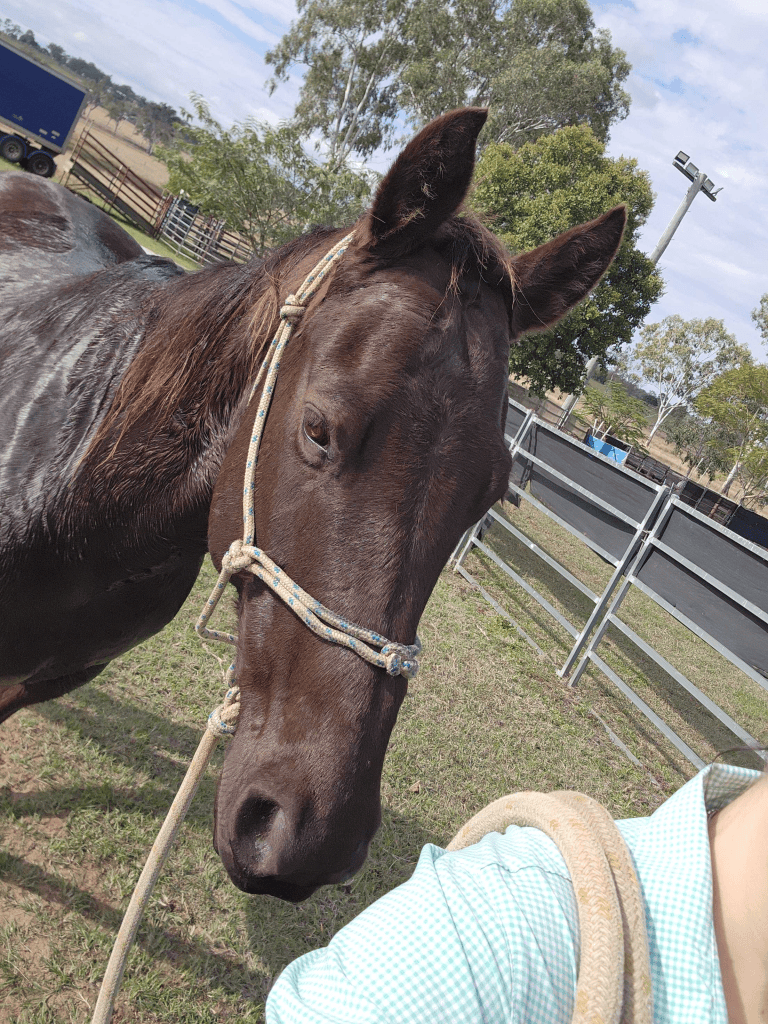
He’s been a little bit naughty lately, but honestly not too bad. He’s just fresh. The recent grass has convinced him that rules are whatever, but he’s still a good horse and I still love him.
I also sold my motorbike this week. That feels strange.
A good chunk of that money has already gone toward my Sett cosplay. Originally I wanted to make the entire cosplay myself, but realistically I just don’t have the time. Between work, streaming, gym, horse riding, game development and everything else going on, there simply aren’t enough hours in the day, so I’ve commissioned it instead!
I’m incredibly excited to see how it turns out and I’m even more excited to wear it once it arrives. More than anything though, I think I just need a holiday.
My mental load lately feels absolutely enormous. I’ve been trying really hard to stay positive and keep everything moving forward, but there are definitely days where it feels like there’s simply too much happening at once.
The highs have been very high lately. The lows have been low.
I’m also trying to keep an eye on my relationship with food because that’s probably the area I’m struggling with most at the moment. As the calories continue to get lower, I find myself becoming increasingly focused on numbers and increasingly anxious when I don’t hit them perfectly.
That’s not a healthy mindset, don’t worry, I’m aware of that, so it’s something I’m actively trying to keep in check because my mental health is ultimately more important than any physique goal. It is really hard to do alone, though.
Final Thoughts
This ended up being one of those weeks where I felt like I’d achieved absolutely nothing right up until I sat down and started writing.
Looking back, we improved some environmental art, completely restructured the GDD, established a set of design principles for the project, discovered some incredibly useful Mystery Dungeon references and started building the inventory system.
Not bad for a week that I was convinced I’d wasted.
As always, thank you for following along, and I’ll see you in the next dev log!
 AyeeJ's Site
Leave a comment